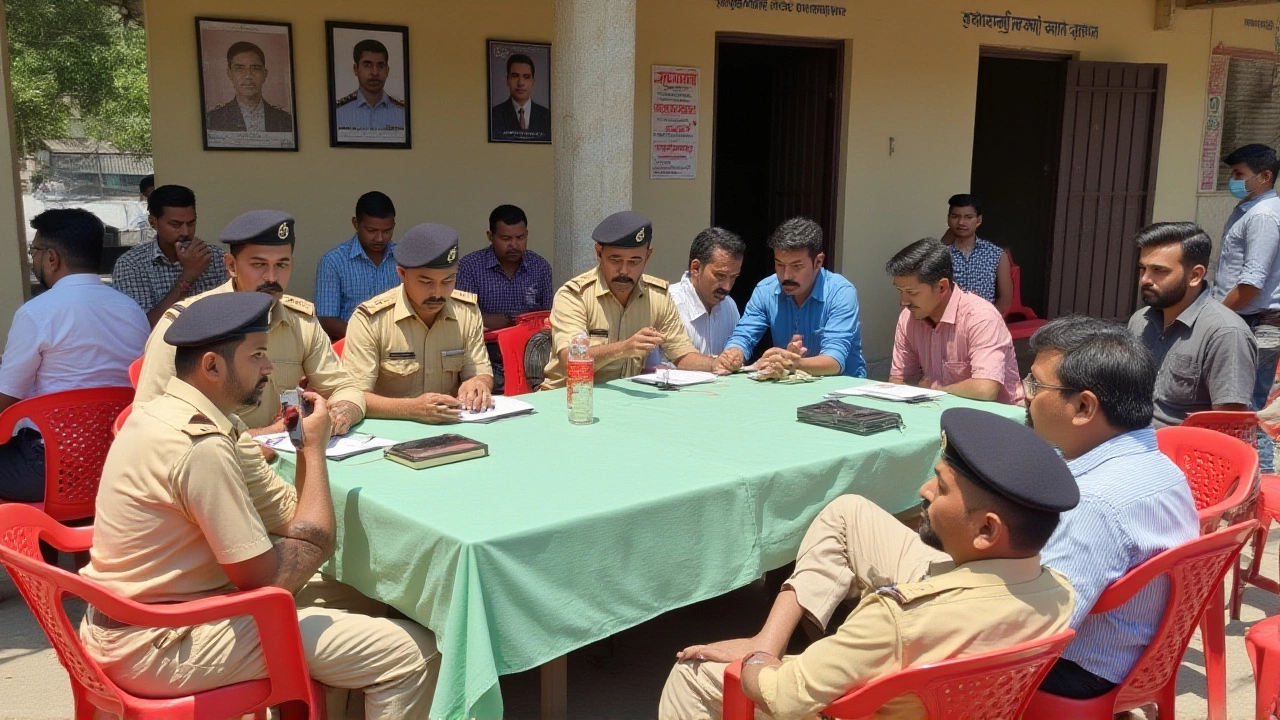
As Bakrid approaches, local administrations across India are pulling out all the stops to ensure the festival passes without a hitch. It’s not just about religious observance; it’s a massive logistical and social coordination effort involving police, community leaders, and civic bodies. In districts like Begusarai in Bihar and parts of Jharkhand, peace committees have already convened to set strict guidelines for maintaining communal harmony.
The stakes are high. Festivals involving animal sacrifice can sometimes trigger tensions if waste management fails or if rumors spread unchecked. Authorities know this. So, they’re getting ahead of the curve.
A Coordinated Effort Across States
Here’s the thing: this isn’t an isolated incident in one town. Reports from May 24, 2026, indicate a synchronized push across multiple states. In Begusarai, Deoghar, and Dhanbad in Jharkhand, as well as Badwani in Madhya Pradesh, peace committee meetings were held with a singular focus: keeping the peace.
In Begusarai, the meeting was particularly detailed. Vivek Kumar, Station House Officer (SHO), led the charge. He didn’t mince words. His message was clear: follow the protocol, keep your area clean, and respect your neighbors. "Everyone should celebrate Bakrid while adhering to departmental protocols," Kumar stated during the session. "Maintain peace and communal harmony in the area. Please pay special attention to cleanliness and do not throw leftover remains here and there after the sacrifice, so that no kind of trouble arises."
It’s a practical request, but it carries weight. Improper disposal of animal waste is a common flashpoint during Eid-ul-Adha. It creates health hazards and often leads to friction between communities who may feel their neighborhoods are being disrespected. By addressing this upfront, the administration is trying to nip potential conflicts in the bud.
Surveillance and Community Trust
But wait, it’s not just about trash cans. Security is paramount. In Sarath, near Deoghar, the approach was slightly different but equally firm. Representatives at the peace committee meeting agreed to enhanced surveillance. The decision? Special monitoring in all "sensitive areas" throughout the festival period.
Why sensitive areas? These are spots where past incidents might have occurred, or where demographics make tension more likely. The goal is preventive. "Special vigilance will be maintained in all sensitive areas during the festival so that no unpleasant incident occurs and peace and order remain intact," officials noted. This isn’t about policing faith; it’s about protecting the public space.
Interestingly, the response from the ground has been positive. Attendees in both Begusarai and Sarath pledged full cooperation. They promised to assist the police and administration in every possible way. That’s a crucial detail. When communities buy into the security plan, the job becomes infinitely easier for law enforcement.
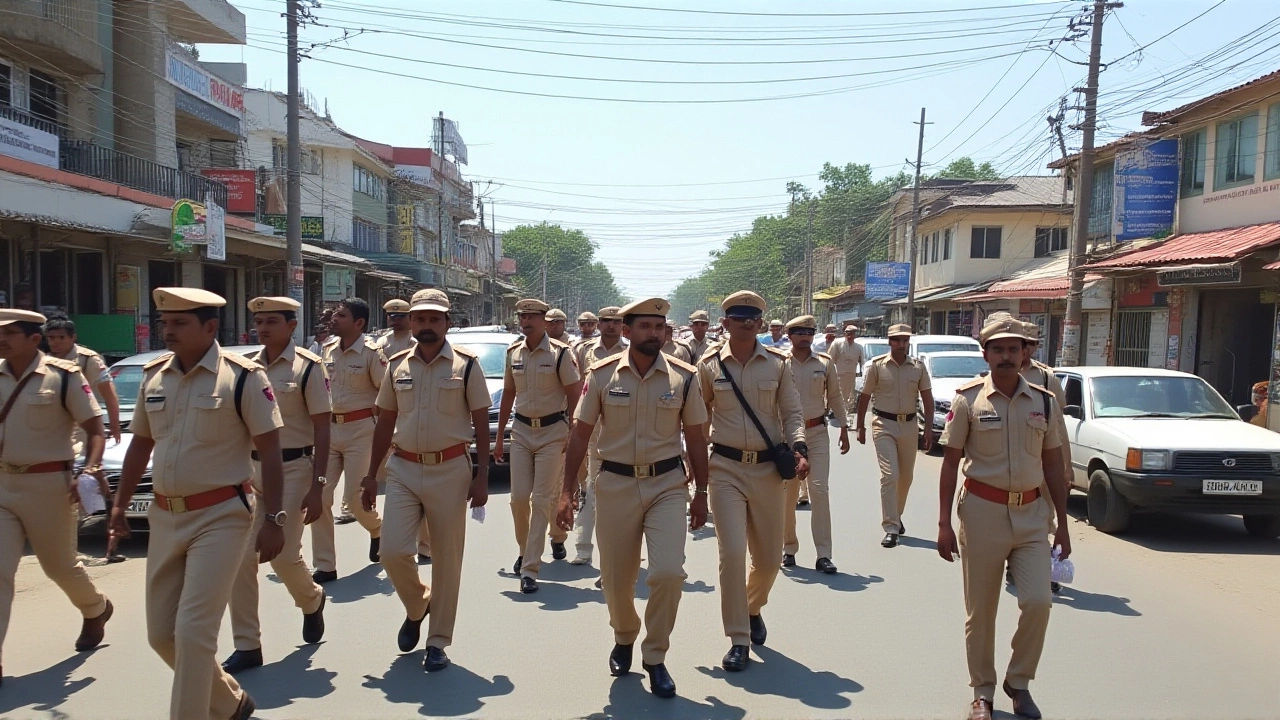
Broader Implications for Social Cohesion
This pattern of proactive peacekeeping reflects a broader trend in Indian governance during major festivals. From Badwani to Dhanbad, the narrative is consistent: brotherhood first. In Badwani, the administration explicitly appealed for "brotherhood and harmony." In Dhanbad, hashtags like #SocialHarmony and #Brotherhood dominated the coverage of the Dhansar police station meeting.
These aren’t empty slogans. They represent a strategic effort to counter misinformation. Rumors can travel faster than police cars. By establishing direct communication channels through these committees, authorities hope to debunk false narratives before they spark violence. The mention of Prophet Ismail in the Sarath reports also highlights the educational aspect—reminding everyone of the festival’s spiritual roots rather than its political or social frictions.
What’s Next for Festival Goers?
For residents in these regions, the next few days will be critical. Expect increased police presence near slaughterhouses and main markets. If you’re planning to participate, remember the key takeaways from Vivek Kumar’s address: dispose of waste properly and stay alert.
The details on specific crackdowns on rumor-mongers mentioned in some headlines weren’t substantiated in the primary reports from Begusarai, but the underlying message is clear: disruption won’t be tolerated. The administration is watching, and they’re working with local leaders to ensure that the spirit of sacrifice translates into acts of civic responsibility.
Frequently Asked Questions
Who is Vivek Kumar and what role did he play?
Vivek Kumar is the Station House Officer (SHO) in Begusarai, Bihar. He chaired the peace committee meeting regarding Bakrid preparations, urging citizens to follow departmental protocols, maintain cleanliness after sacrifices, and uphold communal harmony to prevent any public disturbance.
Which cities are holding peace committee meetings for Bakrid?
Peace committee meetings have been reported in several locations including Begusarai in Bihar, and Sarath (Deoghar) and Dhansar (Dhanbad) in Jharkhand. Additionally, similar initiatives were noted in Badwani, Madhya Pradesh, focusing on ensuring a peaceful festival environment.
Why is special surveillance being implemented?
Special surveillance is being deployed in "sensitive areas" to prevent any unpleasant incidents or communal tensions. This proactive measure aims to ensure that public order is maintained throughout the festival duration, addressing potential risks before they escalate into larger conflicts.
What specific instructions were given regarding waste disposal?
Officials specifically requested that citizens do not throw leftover animal remains indiscriminately after the sacrifice. Proper disposal and cleanliness are emphasized to avoid health hazards and prevent disputes among community members regarding neighborhood hygiene.